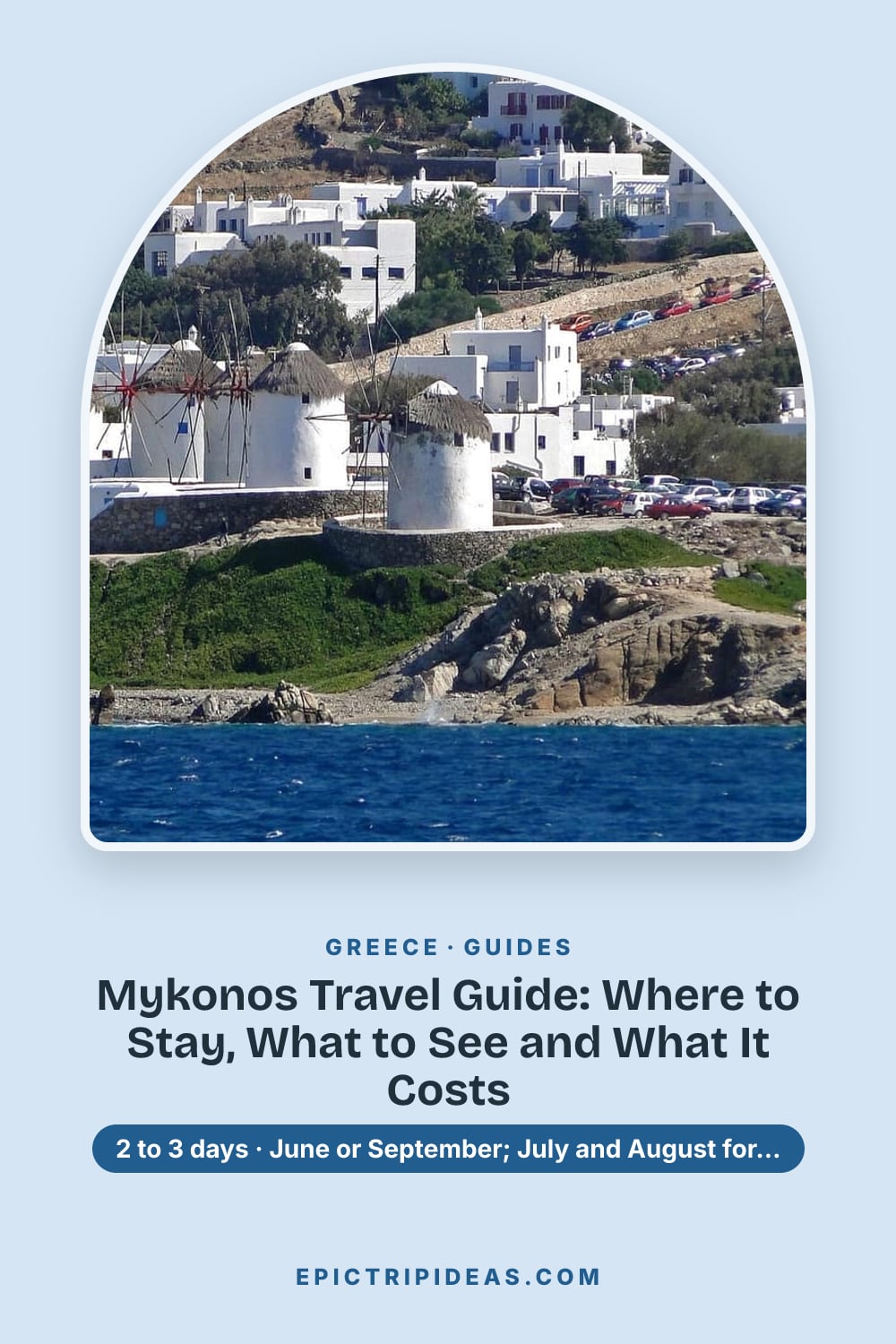
Mallorca Travel Guide: Where to Stay, What to See and How to Get Around
This mallorca travel guide covers Palma, the best calas, Valldemossa, the Tramuntana drive, where to stay and 2026 costs.
This guide may contain affiliate links. We may earn a commission at no extra cost to you. How this works.

In this guide
Mallorca is the largest of Spain’s Balearic Islands. Four to five days covers it well: Palma and the cathedral, the southeastern calas, Valldemossa and the Tramuntana drive, plus a beach day near Alcudia. This guide covers where to stay, what to see, how to get around and what things cost.
How many days do you need in Mallorca?
Four full days is enough for the essentials. Give Palma one day, the southeast calas the next, Valldemossa plus the Tramuntana road the third, and the Caves of Drach or a beach day the fourth. A fifth day buys Cap de Formentor, a boat trip, or a slower second pass through Palma. Browse our other Spain guides if Mallorca is one stop on a wider trip.
Three days works if time is tight, but pick two areas and do them properly. Palma plus one coast day and one mountain day beats a rushed loop of the whole island. Distances are short, with Palma to Alcudia only about 55 km, yet the small roads to coves and viewpoints eat time fast.
Where should you stay in Mallorca?
Your base decides your evenings and your driving. Palma has the restaurants and transport, the southeast has the coves, and the northeast has the sand.
| Area | Best for | Keep in mind |
|---|---|---|
| Palma | Restaurants, old town evenings, buses, airport link | City beaches are average; coves need a drive |
| Cala d’Or | Small coves, marina restaurants, easy swimming | Quiet out of season; some hotels close in winter |
| Alcudia and Port d’Alcudia | Long sandy beaches, families, cycling | Old town sits inland from the port strip |
| Soller and Port de Soller | Tramuntana scenery, vintage train, harbour dinners | Pricey; the mountain road slows every trip out |
| Valldemossa and Deia | Quiet stone villages, walkers, views | Limited parking; day crowds from midday |
For a first visit, Palma is the best compromise. The cathedral, old town lanes, markets and the whole bus network sit within walking distance, and the airport is 8 km east with a direct bus link. Rooms span every budget, and evenings here beat every resort strip on the island.
Cala d’Or suits a swim-first trip. Several small coves sit within walking distance of the marina restaurants, so you can leave the car parked for days at a time. It sleeps early compared with Palma, which suits families more than late nights.
Alcudia suits sand and cycling. The bay holds the island’s longest beaches, shallow far out, and the walled old town inland handles evenings away from the port strip.
What should you see in Palma?
Start with La Seu, Palma Cathedral. The Gothic pile on the seafront holds one of the tallest naves in Europe at around 44 metres, plus interventions by Gaudi, whose restoration work the cathedral honours with special programming through 2026. Adult entry to the cathedral and museum costs 11 euros (about $13/£10), with senior and concession tickets at 9 and 8 euros (Palma Cathedral visitor guide, updated August 2026, retrieved September 2026). In summer it opens Monday to Friday from 10am to 5:15pm and Saturdays to 2:15pm, and it stays closed to visitors on Sundays, so plan that day for the town instead. Allow one to two hours.
The old town around the cathedral rewards an hour on foot. Walk the lanes behind Plaça Major to the Arab Baths and the Almudaina Palace area, then eat at Mercat de l’Olivar, the covered market where locals shop. Palma’s signature bake is the ensaimada, a coiled lard-based pastry dusted with sugar, sold in octagonal boxes at bakeries across the centre. Our Spanish food guides put it in context with the rest of the island’s cooking.
Above the city sits Bellver Castle, one of very few circular castles in Europe, with a full panorama over the harbour and bay. General admission is 4 euros (about $5/£3.50), reduced tickets cost 2 euros, and entry is free for everyone on Sundays (Bellver Castle visitor guide, updated September 2026, retrieved September 2026). From April to September it opens Tuesday to Saturday from 10am to 7pm and Sundays to 3pm, closing on Mondays. Go late in the day for the light and thinner crowds.
Which calas are worth the trip?
Mallorca’s southeast coast holds the coves the island is known for: small, pine-backed inlets with clear water and sand that shelves gently. They are also the island’s worst-kept secret, so timing matters more than picking the single best one.
Cala Mondrago is the easiest first cove. It sits inside the Mondrago Natural Park near Santanyi, with two beaches, Cala Mondrago and s’Amarador, joined by a short coastal path. Parking is limited and fills by late morning in summer, so arrive before 11am or after 4pm. Access to the park and beaches is free.

Shallow water and sand at Cala Mondrago, inside the natural park near Santanyi.
Cala del Moro and Cala s’Almunia sit a short drive east, and they photograph better than anywhere else on the coast. Both are small, with steps and rocks rather than full facilities. Go on a weekday or before 10am. By midday in August there is little room to sit.
Cala Varques suits travellers who want a cove without sunbeds. It takes a walk of about 20 minutes from the nearest parking, which keeps numbers lower than Mondrago.
In the north, Cala Mesquida and Cala Agulla near Capdepera offer bigger sandy beaches backed by dunes and pines, with space even in high season. In the south, Cala Pi is a narrow inlet between cliffs that suits a half day combined with the town of Llucmajor.
For any cove day, pack:
- Drinking water, since only the developed coves have beach bars
- Swim shoes for the rocky entries at Moro, s’Almunia and Varques
- Sunscreen, as shade is patchy once the morning sun clears the pines
- A bag for your rubbish, as the undeveloped coves have no bins

White sand and clear water at Cala Mondrago, a short drive from Porto Petro.
A practical note: the famous party strip at Magaluf sits west of Palma and has no bearing on the coves above. If your hotel is there, budget extra driving time to reach the southeast.
Find experiences for your Mallorca trip
If you book through these links, we may earn a commission at no extra cost to you.Should you drive the Serra de Tramuntana?
Yes. The mountain range along the northwest coast is a UNESCO World Heritage cultural site, listed in 2011 for its terraces, dry-stone works and water systems (UNESCO listing, retrieved September 2026). The Ma-10 road threads it from Andratx to Pollenca, and one full day covers the highlights if you start early.
Valldemossa comes first, about 19 km north of Palma. The village’s anchor is the Royal Charterhouse, the palace turned monastery where Chopin and George Sand spent the winter of 1838 to 1839. Entry costs 12.50 euros (about $14/£11), with reduced rates for seniors and students, and the Chopin cell museum inside charges a separate small fee. Hours run Monday to Friday from 10am to 5pm and Saturdays to 4pm, with Sundays closed. Arrive before 10am and see the Charterhouse first. The lanes fill with day visitors from midday.

Valldemossa from above, with the Tramuntana slopes rising behind the village.
Soller follows, and the journey is half the point. The vintage wooden train from Palma takes about an hour through 13 tunnels, running several times a day. Single tickets cost 23 euros (about $27/£20) and returns 30 euros (about $35/£26) in 2026 (official timetable, retrieved September 2026). The connecting tram to Port de Soller costs 10 euros each way on board, or buy a combined train and tram return for 40 euros.
Deia between the two suits a lunch stop and a viewpoint rather than a full visit. The Sa Calobra road is a tight run of hairpins that suits confident drivers and early starts. Cap de Formentor closes the classic loop with cliffs and a lighthouse viewpoint. Check access information before driving the final stretch in July and August.
Is Mallorca good for cycling?
Mallorca is one of Europe’s most popular cycling islands, and the season runs far beyond summer. Professional teams use the island for early-season training, with the Vuelta Ciclista a Mallorca stage race held in late January and February. Spring and autumn bring the best mix of mild air and quiet roads.
The flat east around Alcudia suits steady rides, while the Sa Calobra ascent tests experienced legs. Hire shops in Playa de Muro, Alcudia and Palma rent road bikes with helmets and route advice. Start mountain rides early and carry plenty of water, since tour buses use the same narrow roads.
How much do the main sights cost?
| Attraction | Entry fee | Hours |
|---|---|---|
| Palma Cathedral and museum | 11 euros adults | Mon to Fri 10am to 5:15pm (summer); Sat to 2:15pm; Sun closed |
| Bellver Castle | 4 euros; free Sundays | Tue to Sat 10am to 7pm (Apr to Sep); Sun to 3pm; Mon closed |
| Cuevas del Drach, Porto Cristo | 18.50 euros online, 19.50 at the office | Tours several times daily; about one hour |
| Valldemossa Charterhouse | 12.50 euros adults | Mon to Fri 10am to 5pm; Sat to 4pm; Sun closed |
| Soller vintage train | 23 euros single, 30 return | Several departures daily; about one hour each way |
| Soller tram to the port | 10 euros each way | Runs with the train timetable |
The Caves of Drach near Porto Cristo run about an hour through 1,200 metres of chambers to Lake Martel, with a short classical concert on the water included in the ticket (official times and prices, retrieved September 2026). Children aged 3 to 12 pay 11.50 euros online. Book online in summer: it costs less than the ticket office and reserves your time slot.
As a worked example, two adults visiting the cathedral (22 euros), Bellver on a day other than Sunday (8 euros) and the Drach caves booked online (37 euros) spend 67 euros between them on entry fees. The Soller train return for two adds 60 euros, which is why the mountain day is the priciest one to plan.
On top of tickets, budget for the Balearic Sustainable Tourism Tax, charged per person per night at your hotel. In high season from May to October it runs roughly 2 to 4 euros per person per night depending on hotel class, plus 10% VAT (2026 tourist tax rates and rules, retrieved September 2026). Rates drop in winter, and under-16s are exempt. Our Spain trip costs page explains how it lands on a real bill.
How do you get around Mallorca?
Hire a car for at least part of the trip. Buses connect Palma with Soller, Valldemossa, Alcudia, the airport and most inland towns, roughly hourly, but they rarely reach the small calas, and timetables thin out on Sundays (island transport summary, retrieved September 2026). A car for two or three days of a five-day trip covers the coves and the mountain loop, while Palma itself works on foot.
Driving is straightforward with two catches. Fuel and charging cost a few percent more than mainland Spain, and parking in Valldemossa, Deia and at popular cove car parks fills early in summer. The motorways from Palma to Inca, Manacor and the airport move fast; everything off them moves slowly. See our Spain travel tips for licence and insurance basics before you book.
From the airport, the bus to Palma’s Intermodal station takes about 25 minutes, then walk or change for onward buses. Ferries link Palma with Barcelona in about seven hours, which matters if you are combining the island with a Spain itinerary by sea.
When is the best time to visit Mallorca?
May, June and September are the best months. The sea is warm enough to swim, daytime highs sit in the mid to high 20s Celsius, and everything is open.
July and August bring heat above 30 degrees most days, the highest hotel rates, and full car parks at Mondrago, Cala del Moro and Formentor viewpoints. If you travel then, book rooms and hire cars well ahead, swim before 11am, and keep afternoons for Palma’s shaded lanes or the caves.
April and October suit walkers and cyclists, with mild days and lower prices, though the sea cools and some beach services wind down. November to March is the quiet season: many coastal hotels and restaurants close, but Palma stays open and room rates drop.
Mallorca works best when you stop trying to circle it daily. Pick one base, give Palma a full day, give the mountains a full day, and let the coves fill the days between. For the rest of the country, our Europe guides cover the mainland cities that pair naturally with a Balearic week.
At a glance
Palma Cathedral
Gothic cathedral on Palma's seafront, known as La Seu, with one of the tallest naves in Europe and interventions by Gaudi.
- Address
- Palma de Mallorca, ES
Palma Cathedral
Open in Google Maps ↗Know before you go
Spain at a glance
Best time to visit
April to June, September to October
- January: cool, some showers
- February: cool, mostly dry
- March: mild, some showers
- April: mild, some showers
- May: warm, some showers
- June: warm, mostly dry
- July: hot, mostly dry
- August: hot, mostly dry
- September: warm, some showers
- October: mild, some showers
- November: mild, some showers
- December: cool, some showers
Mostly dry Some showers
- Capital
- Madrid
- Currency
- Euro (EUR)
- Language
- Spanish (plus Catalan, Basque, Galician)
- Time zone
- CET, UTC+1 (Canaries UTC+0)
- Plugs
- Type C / F, 230 V
- Driving
- On the right
Emergency112
Frequently asked questions
Do you need a car in Mallorca?
You need one for the calas and the Serra de Tramuntana villages, since buses run mainly from Palma and rarely reach small coves. If you stay in Palma and join day tours, you can manage without. Most visitors hire a car for two or three days of a five-day trip and use Palma on foot for the rest.
Where is the best area to stay in Mallorca for the first time?
Palma suits first visits: restaurants, the cathedral, buses and the airport link are all close. Cala d'Or suits cove swimming with restaurants in walking distance. Alcudia suits long sandy beaches and families. Pick one base and drive to the rest, since Palma to Alcudia is only about 55 km.
How much does Palma Cathedral cost to visit in 2026?
Adult entry to the cathedral and museum is 11 euros. Seniors pay 9 euros and students and other concession holders pay 8 euros. A terraces combo ticket costs 25 euros in season. The cathedral opens Monday to Friday and Saturday mornings, and stays closed to visitors on Sundays.
What is the tourist tax in Mallorca in 2026?
The Balearic Sustainable Tourism Tax applies per person per night and depends on season and hotel class. In high season from May to October it runs roughly 2 to 4 euros per person per night plus 10% VAT, with lower rates from November to April. Under-16s are exempt and stays over eight nights in the same hotel get a 50% reduction from night nine.
When is the best month to visit Mallorca?
May, June and September combine warm seas, open businesses and thinner crowds than July and August. July and August bring the hottest days, the highest prices and full car parks at popular calas. Winter suits cyclists and walkers, but many coastal hotels and restaurants close from November to March.
Is Valldemossa worth visiting?
Yes, if you go early. The Charterhouse where Chopin spent the winter of 1838 to 1839 anchors a compact stone village about half an hour from Palma. Arrive before 10am, see the Charterhouse first, then walk the lanes before the day-trip coaches arrive around midday.
Useful links (6)
- UNESCO World Heritage Centre, Cultural Landscape of the Serra de Tramuntana— whc.unesco.org
- Visiting Palma Cathedral, entry fees and opening hours, updated August 2026— planetwhitley.com
- Cuevas del Drach official times and prices— cuevasdeldrach.com
- Tren de Soller official timetables and prices— trendesoller.com
- Wikivoyage Mallorca travel guide— en.wikivoyage.org
- Tourist tax in Spain 2026 rates and rules— chekin.com
Photo credits
Thank you to T meltzer, Krisztina.Konczos and Thomas Tolkien from Yorkshire, UK for sharing these beautiful photographs and helping bring this guide to life.
Editorial byline
Olivia Parker Italy and Spain editor
Olivia covers Italy and Spain for Epic Trip Ideas: art cities, coastal towns, itineraries, local food and markets, and what a trip really costs. Olivia Parker is a pen name the Epic Trip Ideas editors use for Italy and Spain; every guide is checked against official sources before it goes live.