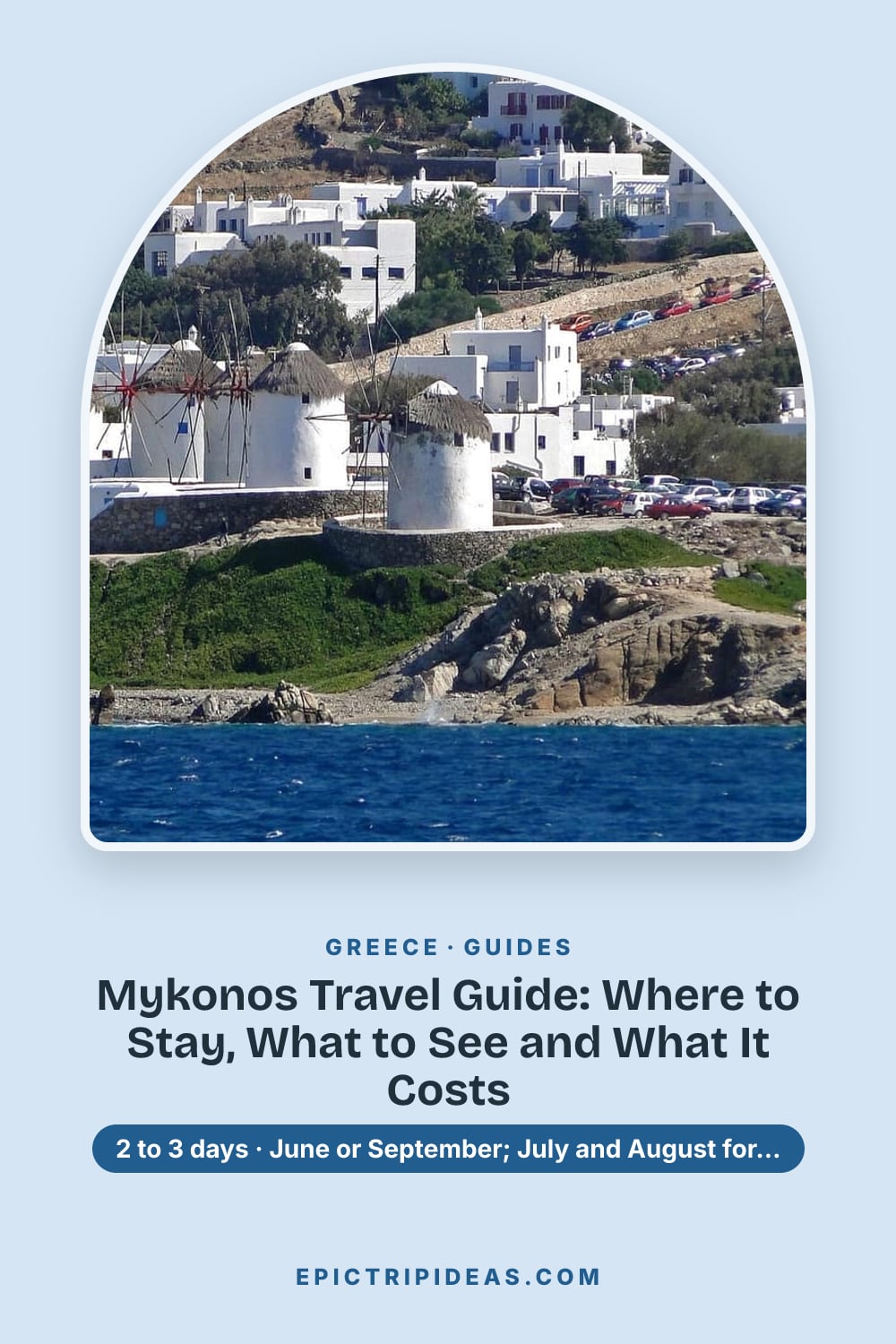
Barcelona Travel Guide: Where to Stay, What to See and How to Get Around
This barcelona travel guide covers Sagrada Familia tickets, Park Guell, the Gothic Quarter, where to stay and what it costs in 2026.
This guide may contain affiliate links. We may earn a commission at no extra cost to you. How this works.

In this guide
Barcelona is Spain’s second city and its most visited: Gaudi’s Sagrada Familia and Park Guell, the medieval lanes of the Gothic Quarter and El Born, and a proper beach a short metro ride from the old town. Three full days covers the essentials, May to June and September to October bring the best weather, and a mid-range trip runs about 130 euros a day. This guide covers where to stay, what to see, how to get around and what things cost, so you can lock in the timed tickets early and spend the rest of the trip walking.
How many days do you need in Barcelona?
Three full days is enough for the essentials. Give the Sagrada Familia and the Eixample one day, Park Guell and Gracia the next, and the Gothic Quarter, El Born and Barceloneta the third. A fourth day fits Montserrat or Girona, both under ninety minutes away, and is worth adding if slow travel is your style.
Two days works if Barcelona is one stop on a wider Spain itinerary. Skip Park Guell or the beach rather than rushing all five areas in 48 hours. Gaudi plus the old town makes a stronger short route, since the Sagrada Familia, Casa Batllo and the Gothic Quarter connect by two metro stops.
Where should you stay in Barcelona?
Your base decides how much old-town noise you sleep through. The Eixample grid is calm, Gracia runs local, and the medieval quarters stay loud late.
| Area | Best for | Keep in mind |
|---|---|---|
| Eixample | First visits, Gaudi buildings, calm nights | Grid streets look alike; learn your corner |
| Gothic Quarter | Cathedral and Roman walls on foot | Narrow lanes, late noise, tourist prices |
| El Born | Tapas bars, Picasso Museum, evening lanes | Compact and busy; book rooms off the main strips |
| Gracia | Plazas, menu del dia lunches, slower pace | Uphill walk from the centre; fewer big hotels |
| Barceloneta | Beach mornings, seafood suppers | Loud in summer; watch bags on the sand |
For a first visit, the Eixample is the best compromise. Passeig de Gracia holds Casa Batllo and Casa Mila, the Sagrada Familia sits ten minutes away by metro, and restaurant streets like Carrer d’Enric Granados stay local after dark. Mid-range doubles here run 120 to 180 euros a night in shoulder season.
The Gothic Quarter and El Born suit travellers who want the medieval city outside their door. Everything in the old town sits within twenty minutes on foot, which matters more than it sounds once the metro closes early on weeknights. Ask for a room off the bar streets. Our other Spain guides compare bases across the country if you are touring further.
Barcelona adds a tourist tax of a few euros per person per night, higher for luxury hotels, collected by your accommodation for the first seven nights. It sits outside the booked rate, so keep a little cash or card room at check-out.
What should you see in Barcelona?
Group sights by pocket of the city. Crossing town for one building at a time is how days disappear here.
Sagrada Familia and the Eixample
The Sagrada Familia has been under construction since 1882, and the cranes are part of the visit: the central tower is targeted for completion in 2026, the centenary of Gaudi’s death. General entry starts at 26 euros (about $28 or £22), with reductions to 24 euros for under-30s and students and 21 euros for seniors; entry with a tower visit and audioguide costs 36 euros, and a guided visit with tower costs 40 euros, per the city’s 2026 price listing. Every ticket is timed and sold online. Book two to four weeks ahead in summer, less in winter.

Cranes over the apse: construction continues toward the 2026 tower target.
Arrive at your slot, not an hour early, and allow two hours inside. Morning light through the Nativity facade stains the nave red and orange; afternoons suit the tower lift and the museum below. Under-11s enter free, which helps families more than any other discount in the city.
Ten minutes down Passeig de Gracia stand Casa Batllo and Casa Mila, Gaudi’s two Eixample apartment buildings. Batllo’s self-guided Silver tier starts at 29 euros (about $31 or £24) and includes the rooftop dragon spine; Mila’s stone roof terrace answers it half a kilometre north. Pair both in one morning, 90 minutes each, with lunch between. Casa Amatller next door to Batllo shows a different Modernista hand and draws a fraction of the queue.
Park Guell and Gracia
Park Guell is Gaudi’s mosaic-tiled park on the hill above Gracia, and its Monumental Zone needs a timed ticket. General entry costs 18 euros (about $19 or £15), with reduced fares of 13.50 euros for children aged 7 to 12 and visitors over 65, per the official prices page. Slots run every 30 minutes and you must enter inside your window, so treat the time as fixed.

The gatehouse pavilions at the Park Guell entrance, above the city.
Go before 10am or after 4pm. Midday groups fill the mosaic bench terrace, and the hill offers little shade. Book one to two weeks ahead in season. The surrounding parkland outside the ticketed zone costs nothing and holds the better picnic spots.
Below the mosaic stairs waits El Drac, the tiled salamander every Barcelona postcard borrows.

El Drac, the mosaic salamander guarding the Park Guell stairway.
Walk down into Gracia afterwards for lunch. Its plazas run on menu del dia boards at 14 to 18 euros (about $15 to 19 or £12 to 15) with drink and dessert, which beats every tourist strip in the old town on price and quality. For the full rundown of what to order, see our Spanish food pages.
Gothic Quarter and El Born
The Gothic Quarter rewards feet, not tickets. Start at the cathedral, trace the Roman walls on Carrer del Paradis, cross Pont del Bisbe before the groups arrive, and end at Placa Reial for coffee under the lamps. Mornings before 10am belong to residents; afternoons belong to everyone.
El Born starts ten minutes east on foot. Santa Maria del Mar, the sailors’ church with its flat sea of columns, anchors the quarter. The Picasso Museum spreads across five medieval palaces nearby and runs timed entry, so book a slot rather than chancing the door. La Boqueria market on Las Ramblas fits any spare morning: go before 10am for a working market, after noon for a crowded one.
Las Ramblas itself needs a warning more than an introduction. Walk it once for the plane trees and the mosaic pavement, then eat and drink one street over. The bracelet-tying and petition-clipboard operators along the boulevard are professionals. Keep moving and they move on.
Barceloneta and Montjuic
Barceloneta is the former fishermen’s quarter turned beach district: 1.1 km of sand, a boardwalk of chiringuitos, and seafood grills along Passeig Maritim. Swim before noon when the water is calmest. Never leave a bag unattended on the sand; beach theft is the summer’s steadiest trade. For quieter water, walk north to Bogatell or Nova Icaria.
Montjuic fills a half day above the port: the castle, the Miro Foundation and the Olympic stadium, linked by cable car from Barceloneta. Check whether the Magic Fountain shows are running before you plan an evening around them, since drought rules have paused the displays at times. Sunset from the castle terrace covers the port, the old town and the sea in one turn.
How much does it cost to see Barcelona’s main sights?
| Attraction | Entry fee | Notes |
|---|---|---|
| Sagrada Familia | From 26 euros | Timed entry; 36 euros with tower, 40 euros guided with tower |
| Park Guell Monumental Zone | 18 euros | Timed slots every 30 minutes; book 1 to 2 weeks ahead |
| Casa Batllo | From 29 euros | Silver self-guided tier; rooftop included |
| Gothic Quarter streets | Free | Best before 10am; cathedral area busiest midday |
| Picasso Museum | Paid, timed entry | Book a slot; El Born location |
| Barceloneta beach | Free | Chiringuitos charge for food, not sand |
| La Boqueria | Free to enter | Pay per snack; mornings beat crowds |
Daily budgets split cleanly. Hostel travellers eating menu del dia manage on 60 to 80 euros a day. Mid-range visitors in three-star hotels with restaurant dinners and two paid sights land near 130 to 190 euros. The detailed maths sits in our Spain trip costs breakdown.
Find experiences for your Barcelona trip
If you book through these links, we may earn a commission at no extra cost to you.How do you get around Barcelona?
The metro is the fastest way across town, and 2026 fares from TMB set the budget.
- Single ticket: 2.90 euros (about $3.10 or £2.45). Fine once, poor value twice.
- T-casual: 13 euros (about $14 or £11) for ten journeys on metro, bus, tram and FGC trains. This is the card most visitors want.
- T-dia: 12 euros for unlimited rides over one day. Pays off from five trips.
- Aerobus: 7.45 euros one-way (about $8 or £6.30), 12.85 euros return, running from both terminals to Placa de Catalunya in about 35 minutes. The standard T-casual does not cover the airport leg, so buy the bus or the airport metro supplement separately.
- Walking: the Gothic Quarter, El Born and the Eixample core sit within twenty minutes of each other on foot. Longer hops to Gracia, Park Guell or Montjuic suit the metro.
Taxis are metered and honest, best used late at night or with luggage. The R2 Nord train also links the airport to Passeig de Gracia, slower than the bus but useful if your hotel sits near that station.
Is Barcelona safe for tourists?
Barcelona is safe but carries Spain’s worst pickpocketing, so plan for theft the way you would plan for rain. Professional teams work Las Ramblas, the metro at rush hour and the approaches to the Sagrada Familia and Park Guell. A cross-body bag worn in front, zipped pockets and a phone kept off cafe tables prevent nearly all of it.
A few habits close the gap. Split cash and cards between two places. Use hotel safes for passports and carry a photo instead. Ignore strangers who flag something on your shoe, offer a free bracelet or wave a petition. At night, stick to lit main streets in the old town rather than shortcutting down empty lanes. Our Spain travel tips cover scams and safety across the country in more depth.
Should you take a day trip to Montserrat?
Montserrat is the easiest full day out of Barcelona: a serrated mountain, a Benedictine abbey and the Black Madonna an hour from the centre. FGC line R5 leaves Placa Espanya for Monistrol or Aeri, then a rack railway or cable car climbs to the monastery. Combo tickets bundle the metro, train, mountain transport and on-site extras such as the museum and lunch; compare the Trans and Tot options on the official Montserrat ticket page before you go.
Allow six to seven hours at minimum: an hour each way, the basilica and audiovisual room, and one funicular to the Sant Joan viewpoint or Santa Cova chapel. Hikers get more: trails fan out from the monastery into the natural park, and a picnic beats the midday restaurant queues. Start early. The first trains beat both the crowds and the mountain heat.
Girona makes the other strong day trip, under an hour by fast train, with medieval walls and a cathedral staircase worth the ride alone. Either trip pairs with a Spain route that continues north or south after Barcelona.
When is the best time to visit Barcelona?
May to June and September to October are the sweet spots: days between 18 and 25C, sea warm enough for a swim, and hotel rates below the summer peak. Late September brings La Merce, the city’s biggest festival, worth planning around for concerts and street events.
July and August run hot and packed. Temperatures push past 30C, the beach crowds peak, and Sagrada Familia slots sell out weeks ahead. If summer is your only window, book everything 60 days out and sightsee before 11am or after 5pm.
November to February is the quiet alternative: mild days around 10 to 15C, the cheapest rooms of the year and short queues everywhere. Some beach venues close and rain interrupts a few days, but the Sagrada Familia interior in January feels close to contemplative. Browse our city guides when you are ready to add the next stop.
At a glance
Sagrada Familia
Antoni Gaudi's unfinished basilica in Barcelona, under construction since 1882 with timed-entry tickets booked online.
- Address
- Barcelona, ES
Sagrada Familia
Open in Google Maps ↗Know before you go
Spain at a glance
Best time to visit
April to June, September to October
- January: cool, some showers
- February: cool, mostly dry
- March: mild, some showers
- April: mild, some showers
- May: warm, some showers
- June: warm, mostly dry
- July: hot, mostly dry
- August: hot, mostly dry
- September: warm, some showers
- October: mild, some showers
- November: mild, some showers
- December: cool, some showers
Mostly dry Some showers
- Capital
- Madrid
- Currency
- Euro (EUR)
- Language
- Spanish (plus Catalan, Basque, Galician)
- Time zone
- CET, UTC+1 (Canaries UTC+0)
- Plugs
- Type C / F, 230 V
- Driving
- On the right
Emergency112
Frequently asked questions
How many days do you need in Barcelona?
Three full days covers the Sagrada Familia, Park Guell, the Gothic Quarter, El Born and Barceloneta at a normal pace. Add a fourth day for Montserrat or Girona, or to revisit whichever neighbourhood pulled at you. Two days works for highlights only if Barcelona is one stop on a wider Spain trip.
Where should I stay in Barcelona for the first time?
The Eixample suits most first visits: central, calm at night and close to Casa Batllo, Casa Mila and the Sagrada Familia. The Gothic Quarter and El Born put you inside the medieval lanes but run louder late. Gracia suits slower evenings, Barceloneta suits beach mornings.
How much are Sagrada Familia tickets in 2026?
General entry starts at 26 euros (about $28 or £22), with reduced fares of 24 euros for under-30s and students and 21 euros for seniors. Entry with a tower visit and audioguide costs 36 euros, and a guided visit with tower costs 40 euros. All tickets are timed and sold online, so book two to four weeks ahead in summer.
Is Barcelona safe for tourists?
Yes, with one well-documented exception. Violent crime against visitors is rare, but pickpocketing is organised and persistent on Las Ramblas, in the metro and around the Sagrada Familia and Park Guell. Wear a cross-body bag in front, keep phones off cafe tables and never leave bags unattended on the beach.
Can you do Montserrat as a day trip from Barcelona?
Yes, easily. FGC line R5 leaves from Placa Espanya and reaches the mountain in about an hour, then a rack railway or cable car climbs to the monastery. Allow at least six to seven hours for the return trip, basilica and one viewpoint or funicular, or a full day with the museum and lunch.
What is the best time of year to visit Barcelona?
May to June and September to October, when days sit between 18 and 25C and crowds stay below the summer peak. July and August are hot, packed and the most expensive weeks for hotels. Winter is mild, cheap and quiet, with the main sights far easier to book.
Useful links (6)
- Sagrada Familia official individual tickets— sagradafamilia.org
- Sagrada Familia 2026 prices and hours, Barcelona City Council— ajuntament.barcelona.cat
- Park Guell official prices and opening times— parkguell.barcelona
- TMB 2026 metro and bus fares— tmb.cat
- Montserrat official tickets and transport combos 2026— montserratcard.com
- Casa Batllo ticket tiers and 2026 visitor guide— tourismattractions.net
Photo credits
Thank you to Alvesgaspar, Didier Descouens, Bernard Gagnon and Isiwal for sharing these beautiful photographs and helping bring this guide to life.
Editorial byline
Olivia Parker Italy and Spain editor
Olivia covers Italy and Spain for Epic Trip Ideas: art cities, coastal towns, itineraries, local food and markets, and what a trip really costs. Olivia Parker is a pen name the Epic Trip Ideas editors use for Italy and Spain; every guide is checked against official sources before it goes live.