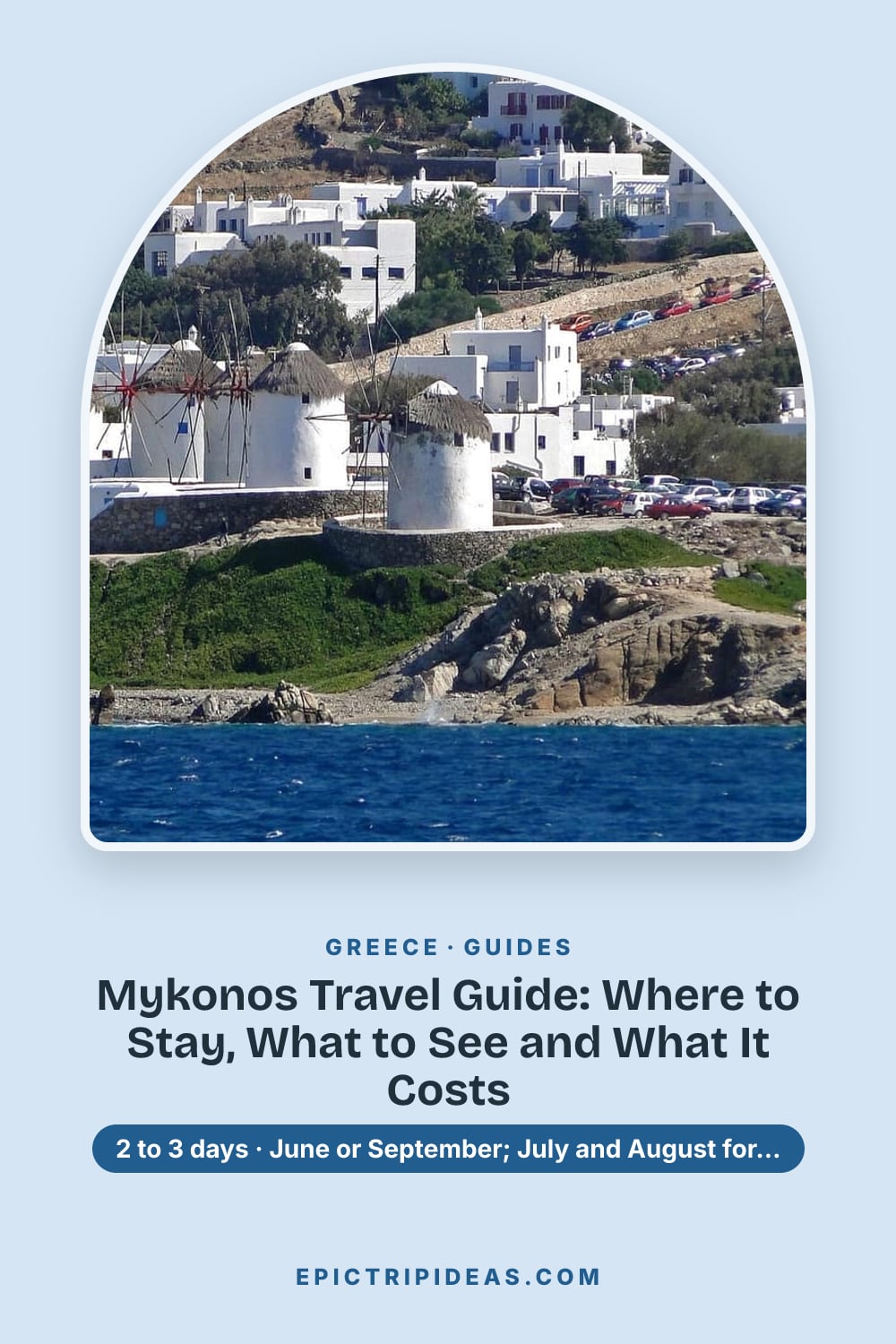
Tokyo Travel Guide: Where to Stay, What to See and How to Get Around
Plan a trip to Tokyo: where to stay, Asakusa, Shibuya, Shinjuku and Harajuku, how to use the subway and IC cards, and what things cost in 2026.
This guide may contain affiliate links. We may earn a commission at no extra cost to you. How this works.


In this guide
Tokyo is Japan’s capital and, for most visitors, the start of the trip: a city of neon crossings, quiet shrine forests and some of the best food anywhere in Asia, all connected by a train network that runs on time to the minute. This guide covers where to stay, what to see, how to get around and what things cost, so you can plan four or five days here without wasting time working out the subway map.
How many days do you need in Tokyo?
Four full days covers the essentials without rushing. Give Asakusa and a river or bay view one day, Shibuya and Shinjuku the next, Harajuku and Meiji Jingu a third, and use the fourth for whichever neighbourhood pulled at you already, Akihabara, Ginza or a teamLab digital-art exhibit, or a day trip to Kamakura. A fifth day buys breathing room and one more meal you’ll remember. See our other Japan guides for what to add if you’re staying longer.
Three days is enough if you’ve visited before or Tokyo is a stopover before the rest of Japan. Skip a full neighbourhood rather than trying to compress all four into three rushed half-days; both Asakusa and Shibuya reward slower visits.
Where should you stay in Tokyo?
Tokyo is really a cluster of city centres, so pick a base near a major train interchange rather than trying to be “central.”
| Area | Best for | Keep in mind |
|---|---|---|
| Shinjuku | Trains to everywhere, nightlife, budget to luxury hotels | One of the world’s busiest stations; give yourself extra time to find exits |
| Shibuya | Youth culture, shopping, the Scramble Crossing | Loud and crowded at street level, especially evenings |
| Asakusa | Traditional streets, Senso-ji on foot, lower prices | Fewer late-night options; a longer ride to Shibuya or Harajuku |
| Ginza | Upscale shopping and dining | Fewer budget rooms; quiet at night |
| Ikebukuro | Budget hotels, good train links | Less polished than Shinjuku or Shibuya, still very convenient |
| Roppongi | Nightlife, museums, international crowd | Some streets touristy after dark |
For a first visit, Shinjuku or Shibuya make the most practical base. Both sit on multiple train and subway lines, so almost anywhere in the city is a direct ride away. If you’d rather wake up somewhere quieter and walk to a temple before breakfast, Asakusa does that well, at the cost of a 25 to 30-minute ride to reach Shibuya or Harajuku.
Since 1 March 2026, Tokyo’s accommodation tax has been billed separately at checkout instead of being folded into the room rate shown when you book. It’s ¥100 per person per night for rooms priced ¥10,000 to ¥14,999, and ¥200 per person per night for rooms ¥15,000 and above, with nothing charged below ¥10,000 (Japan accommodation tax guide, 2026). It’s a small amount, but keep a little cash on hand at check-in, since some smaller properties still collect it that way.
What should you see in Tokyo?
Senso-ji and Asakusa
Tokyo’s oldest temple sits at the end of Nakamise-dori, a covered shopping street that has sold senbei rice crackers, folding fans and small souvenirs since the Edo period. Senso-ji itself is free to enter. The temple grounds stay open around the clock, though the main hall keeps set hours: 6am to 5pm from April to September, and 6:30am to 5pm from October to March. The buildings, including the five-storied pagoda, stay lit until 11pm each night. An early-evening visit is worth the trip, once the daytime crowds thin out.
Arrive before 9am if you want photos without the crowds; by mid-morning, Nakamise-dori is shoulder to shoulder. Kaminarimon, the outer gate with its huge red lantern, is the spot everyone stops for a photo, so budget a few extra minutes there alone.
Shibuya
The Shibuya Scramble Crossing sends an estimated 2,500 people across in each light cycle, more at rush hour. It remains one of the most photographed intersections anywhere. Watch it first from street level, then head up to Shibuya Sky, the rooftop observation deck, for the view from above. Tickets bought online cost ¥2,700 for slots before 3pm and ¥3,400 after; same-day counter tickets run ¥300 higher at both times.

The Shibuya Scramble Crossing.
Shibuya is also where Tokyo’s youth fashion and food scene concentrates: Center Gai for cheap eats and arcades, Shibuya Stream for a calmer riverside stretch, and the small Hachiko statue outside the station, the default meeting point for half the city.
Harajuku and Meiji Jingu
Takeshita Street, a narrow lane packed with crepe stalls and fashion boutiques, is Harajuku’s main draw. It’s busiest on weekend afternoons. A short walk away, through a forest that feels like a different city entirely, is Meiji Jingu, the shrine dedicated to Emperor Meiji and Empress Shoken. The shrine itself and the forest path in are free (Meiji Jingu official Q&A). Only the separate Inner Garden and the shrine’s museum charge admission.

The torii gate marking the entrance to Meiji Jingu.
Walk the roughly ten-minute forest path from the main torii to the shrine buildings slowly; it’s one of the few places in central Tokyo where traffic noise disappears completely. If you’re visiting on a weekend, you may catch a traditional Shinto wedding procession crossing the courtyard.
Shinjuku and the Skytree
Shinjuku Gyoen, a large park with Japanese, French and English garden sections, is the calmest green space near the station, and worth an hour if you need a break from crowds; it charges a small entry fee and is especially popular during cherry blossom season. For skyline views without booking ahead, the Tokyo Metropolitan Government Building observation deck is free.
Across the city in Sumida, the Tokyo Skytree is the tallest structure in Japan at 634 metres. The Tembo Deck (350m) costs ¥1,800 for adults booked online. A combo ticket adding the Tembo Galleria (450m) costs ¥3,000. Buying at the counter on the day adds a ¥500 service fee per ticket, and prices rise on weekends and peak dates (official ticket prices).

The Tokyo Skytree, seen from across the city.
Find experiences for your Tokyo trip
If you book through these links, we may earn a commission at no extra cost to you.How much does it cost to see Tokyo’s main sights?
| Attraction | Entry fee | Notes |
|---|---|---|
| Senso-ji Temple | Free | Grounds open 24 hours; main hall closes 5pm |
| Meiji Jingu (shrine) | Free | Inner Garden and museum charge separately |
| Shibuya Sky | ¥2,700 to ¥3,400 online | Higher after 3pm; counter price adds ¥300 |
| Tokyo Skytree, Tembo Deck | ¥1,800 online | Combo with Tembo Galleria: ¥3,000 |
| Tokyo Metropolitan Government Building | Free | Observation deck, no booking needed |
| Shinjuku Gyoen | Small entry fee | Especially busy in cherry blossom season |
How do you get around Tokyo?
Tokyo’s rail network looks intimidating on a map and is genuinely simple to use once you have an IC card in your pocket.
- Suica or PASMO (IC card): the easiest option for almost every visitor. Tap in and out at any station or bus, no ticket-buying required. A short central hop starts around ¥180. Both cards work across Tokyo Metro, Toei Subway, JR lines and most buses, and can be added to an iPhone Wallet or bought as a physical card at station machines.
- Tokyo Subway Ticket: unlimited rides on Tokyo Metro and Toei Subway lines (not JR) for a flat rate: ¥1,000 for 24 hours, ¥1,500 for 48 hours, ¥2,000 for 72 hours. The clock starts the moment you first tap in, not at midnight (Tokyo Tourism, 2026). Worth it if you’re taking four or more subway rides a day; otherwise an IC card works out cheaper.
- JR Pass: built for intercity travel on the Shinkansen, not for getting around Tokyo itself. A 7-day Ordinary pass costs ¥50,000 through the end of September 2026. Prices through overseas agents rise to ¥53,000 from 1 October 2026 (JR Pass 2026 pricing). Only buy one if your trip also reaches Kyoto, Osaka or another city by bullet train.
- Taxis: metered and reliable, but expensive for long distances; useful late at night once the trains stop, usually around midnight.
From the airport: the Narita Express (N’EX) runs from Narita Airport to Tokyo Station in about an hour. A one-way fare costs roughly ¥3,070, or foreign visitors can buy a discounted N’EX Tokyo Round Trip Ticket for about ¥5,000, valid 14 days to any designated Tokyo-area station (Narita Express fares, 2026). From Haneda Airport, the Tokyo Monorail or Keikyu Line reach central Tokyo in 20 to 30 minutes for a fraction of that price.
When is the best time to visit Tokyo?
Late March to early April brings cherry blossoms. The 2026 forecast puts Tokyo’s full bloom around 27 March to 3 April, with the best viewing window running roughly 29 March to 7 April. Parks such as Shinjuku Gyoen and Ueno fill up fast, and hotel prices climb well ahead of the season, so book early if this is your target.
October to November is the calmer alternative: cooler temperatures, clear skies and autumn colour peaking from mid-November into early December, with noticeably thinner crowds than spring.
June to August is hot and humid, with a rainy season through most of June and typhoon risk picking up in September. December to February is cold but dry, with the clearest air of the year and the thinnest crowds outside the New Year holiday.
Tokyo works best when you group sights by neighbourhood rather than crossing the city for one attraction at a time: Asakusa in the morning, Shibuya and Harajuku by train in an afternoon, a shrine forest whenever you need quiet. Once you’ve settled on your dates, an IC card and a rough day-by-day plan by area are really all the planning Tokyo needs. Browse our other city guides once you’re ready to plan the next stop on the trip.
At a glance
Senso-ji Temple
Tokyo's oldest temple, in the Asakusa district, with the Hozomon gate, a five-storied pagoda and the Nakamise shopping street leading up to it.
- Address
- Tokyo, JP
Senso-ji Temple
Open in Google Maps ↗Know before you go
Japan at a glance
Best time to visit
March to May, October to November
- January: cool, some showers
- February: cool, some showers
- March: mild, rainy
- April: mild, rainy
- May: warm, rainy
- June: warm, very wet
- July: warm, very wet
- August: hot, rainy
- September: warm, very wet
- October: mild, very wet
- November: mild, rainy
- December: cool, some showers
Some showers Rainy Very wet
- Capital
- Tokyo
- Currency
- Japanese yen (JPY)
- Language
- Japanese
- Time zone
- JST, UTC+9
- Plugs
- Type A / B, 100 V
- Driving
- On the left
Emergency110 police, 119 fire and ambulance
Frequently asked questions
How many days do you need in Tokyo?
Four full days covers Asakusa, Shibuya and Shinjuku, Harajuku and Meiji Jingu, plus one extra neighbourhood or a day trip to Kamakura. Add a fifth day if you want Akihabara, a teamLab exhibit or a slower pace. Three days works if you've been before or Tokyo is one stop on a wider Japan trip.
Where should I stay in Tokyo for the first time?
Shinjuku or Shibuya, both major train and subway interchanges with hotels in every price range. Asakusa suits travellers who want a quieter base with traditional streets and easy access to Senso-ji, at the cost of a longer ride to Shibuya and Harajuku.
Do I need a JR Pass for a Tokyo-only trip?
Usually not. The JR Pass is built for travel between cities on the Shinkansen; inside Tokyo itself, a Suica or PASMO IC card or a Tokyo Subway Ticket covers the metro and most JR lines you'll actually use. Only buy a JR Pass if your [wider Japan trip](/asia/japan/) also includes Kyoto, Osaka or another city reachable by bullet train.
How much does it cost to visit Senso-ji and Meiji Jingu?
Both are free. Senso-ji's temple buildings and grounds have no entrance fee, and neither does the main shrine building or forest path at Meiji Jingu. You only pay if you go further: Meiji Jingu's Inner Garden and museum charge a separate fee, and Senso-ji's five-storied pagoda is not open to the public.
Is Tokyo expensive to visit?
Less than most visitors expect. Temples and shrines are largely free, a subway ride costs under 200 yen, and a filling meal at a ramen shop or standing soba bar runs 800 to 1,200 yen. Hotels and observation decks are where the budget stretches; a mid-range room in a good location easily runs 15,000 to 25,000 yen a night.
What is the best time of year to visit Tokyo?
Late March to early April for cherry blossoms, or October to November for cooler weather and autumn colour. Both are peak season, so book hotels early. Summer (June to August) is hot, humid and prone to typhoons in September; winter is cold but dry, with clear skies and thinner crowds.
Useful links (6)
- Tokyo Subway Pass for Tourists, Tokyo Tourism— tokyotourism.org
- Tokyo Skytree official ticket prices— en.tokyo-skytree.jp
- Meiji Jingu, official Q&A— meijijingu.or.jp
- Japan Rail Pass 2026 pricing— tanuki-tabi-travel.com
- Narita Express fares 2026— japan-key.com
- Japan accommodation tax guide 2026— machiya-inn-japan.com
Photo credits
Thank you to Joli Rumi, Celuici, Maarten Heerlien from Voorschoten, The Netherlands and Manishprabhune for sharing these beautiful photographs and helping bring this guide to life.
Editorial byline
Sophie Bennett Asia editor
Sophie covers Japan and Thailand for Epic Trip Ideas: temple towns, festivals, rail journeys, street food and island routes, planned around seasons and local holidays. Sophie Bennett is a pen name the Epic Trip Ideas editors use for Japan and Thailand; every guide is checked against official sources before it goes live.